



Safes have accompanied human history for thousands of years. From ancient wooden boxes with basic locks to today’s ultra-secure digital vaults, the evolution of safes reflects our society’s growing need to protect cash, valuables, and important documents.
Ancient Origins of Security
The first known safe dates back to 13 BC in Ancient Egypt. It was discovered in the tomb of Pharaoh Ramses II and featured a primitive locking mechanism using wooden pins. Although basic, this invention marked the beginning of secure storage.
The Middle Ages: Iron Boxes and Religious Relics
During medieval times, safes were forged by blacksmiths using iron plates and rivets. These early strongboxes were used by nobles and clergy to protect relics, money, and important documents. Often elaborately decorated, these boxes were not just functional but also status symbols.
16th to 18th Century: Mechanism Innovation
In Europe, especially in Italy, Germany, and England, locking systems became more sophisticated. Craftsmen began designing safes with multi-point locking systems and hidden keys. These improvements were necessary to protect increasing wealth from theft and fire.
Industrial Revolution: Mass Production and Patents
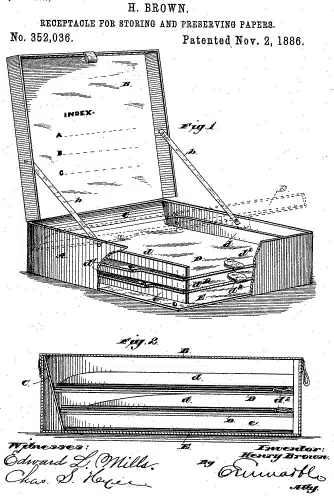
The 19th century marked a turning point. The development of steel and mass production allowed for more affordable and standardized safes. Patents flourished. In 1835, Englishman Charles Chubb patented one of the first burglar-resistant safes. Others soon followed, incorporating time-delay mechanisms, concrete filler, and reinforced steel.
20th Century: Explosion and Fire Resistance
As criminal techniques became more aggressive, safe manufacturers responded with safes capable of withstanding high temperatures, explosions, and cutting tools. The introduction of combination locks, rotary dials, and later electronic keypads provided enhanced user control and access.
Modern Era: Certification and Biometric Safes
Today, safes must meet stringent European certifications such as UNE EN 1143-1 for burglary resistance or EN 1047-1 for fire protection. Innovations include biometric locks, audit trails, and digital access via smartphone apps. Companies like Arcas Gruber® have contributed significantly to modern safe design and manufacturing, offering models that balance aesthetics, durability, and the highest level of security.
The Role of Safes Today
Modern safes are found in homes, businesses, banks, and even hotels. From gun safes and security cabinets to Euro Grade certified models, they serve a wide range of users who demand physical protection beyond alarms and surveillance.
The history of safes is far from over. With digital transformation, smart technology, and increasing demand for hybrid security systems, the future promises even more advanced solutions to safeguard what matters most.
FAQs About the History of Safes
When was the first safe invented?
The earliest known safe dates back to 13 BC and was found in Ancient Egypt. It used a wooden pin mechanism to lock and unlock.
How did safes improve during the Industrial Revolution?
Steel production and mass manufacturing allowed the creation of more durable and affordable safes. Patented locking mechanisms and time-delay systems were also introduced.
What standards define a modern certified safe?
Modern safes are evaluated under European certifications such as UNE EN 1143-1 for burglary resistance and EN 1047-1 for fire protection.
What is the future of safe technology?
With the rise of smart homes and cybersecurity, future safes will likely incorporate biometric access, remote control via apps, and integrated alarm systems.