



How to Choose a Safe for Home Use

04
Dec
Protecting valuables has become a necessity. Whether due to increasing burglary risks or the need to safeguard important documents, a home safe is the best solution for ensuring security and peace of mind.
This guide covers how to choose the right home safe, the different types available, installation tips, security certifications, and recommended models.
In Europe, safes are regulated by the UNE EN 1143-1 standards:
📌 👉 UNE EN 1143-1 Safe Certification Guide
✔ Installed inside the wall or floor.
✔ Hard to remove if properly installed.
✔ Ideal for small spaces.
❌ Requires construction work.
💡 Recommended Products:


✔ Easy installation without wall modifications.
✔ Can be bolted to the floor or wall.
✔ Wide variety of sizes available.
❌ More visible than wall safes.
💡 Recommended Products:


✔ Protect documents and valuables from fire damage.
✔ Certified to withstand extreme temperatures.
❌ Generally heavier than standard safes.
💡 Recommended Products:
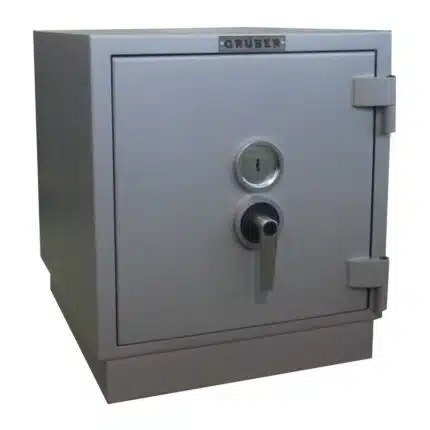
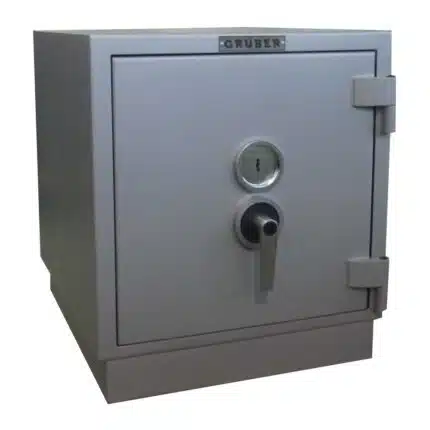
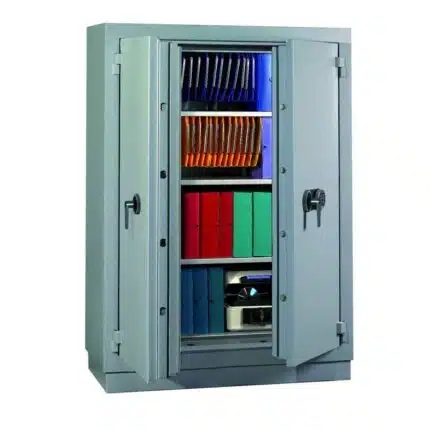
✔ Compliant with legal gun storage regulations.
✔ Reinforced security to prevent unauthorized access.
📌 👉 Explore Our Gun Safes Here
📍 Inside a wardrobe: Easy to conceal.
📍 Under the floor: Maximum discretion, but requires construction.
📍 Behind a picture frame: A classic but effective hiding spot.
📍 Within a false wall: Ideal for new homes or renovations.
❌ Obvious locations: Drawers, under the bed, behind doors.
❌ Bathrooms or kitchens: Humidity can damage the locking mechanism.
❌ Unsecured areas: Easily removable by burglars.
It depends on the intended use. For documents, a fireproof safe; for jewelry and cash, a high-security rated safe.
Digital safes are more convenient but require a battery. Mechanical or key safes are more durable.
Prices range from €150 for basic models to over €1,000 for high-security Grade III or IV safes.
Not always required, but highly recommended to prevent theft.
Choosing a home safe depends on your needs and budget. The most important factors are security level, certifications, and proper installation.
📌 Need expert advice? Contact us here:
🔗 https://arcasgruber.com/en/contact/

100% secure purchase and payment

14 days to return your order in physical store

Delivery on working days

More warranty *
No account yet?
Create an AccountTo provide the best experiences, we use technologies such as cookies to store and/or access device information. Consenting to these technologies will allow us to process data such as browsing behavior or unique IDs on this site. Not consenting, or withdrawing consent, may adversely affect certain features and functions.

Thank you for your interest in Gruber. Request more information and our team of safe and security experts will contact you as soon as possible. Thank you very much.